At a restaurant where the menu moves between sushi-bar selections, kitchen entrées, steak, and designated sharing dishes, presentation can be understood as more than a finishing touch. It is part of how a table reads the meal: which dishes arrive as individual choices, which are placed in the center, and how a group can make room for both. At Fushimi Williamsburg, that question is especially useful because the dining menu gives steak and sharing dishes their own categories within a broader contemporary Japanese-fusion format.
Presentation Starts With the Menu’s Structure
Fushimi Williamsburg describes its cooking as contemporary Japanese-fusion, combining traditional Japanese food with French-inspired nouvelle cuisine. That framing gives diners a productive way to think about plating: not simply as decoration, but as an element that can help distinguish courses, formats, and points of emphasis across a varied meal.
The official dining menu is organized across soup and salad, hot and cold appetizers, sushi-bar and kitchen entrées, steak, signature rolls, nigiri sushi and sashimi, classic and hand rolls, sharing dishes, desserts, and after-dinner drinks. This organization matters before anything comes to the table. It signals that a meal need not follow one visual or structural path. A table might begin with smaller selections, incorporate sushi or rolls, then make steak or a sharing dish a focal point later in the meal.
For guests interested in presentation, the practical takeaway is to order with contrast in mind. Categories such as sushi and sashimi naturally suggest a different dining rhythm from kitchen entrées or steak, while sharing dishes introduce a format intended for the middle of the table. Rather than treating each order as an isolated choice, consider the collection as a sequence of individual and communal moments.
Steak as a Table Focal Point
The menu’s separate steak category gives steak a distinct role within the restaurant’s Japanese-fusion menu. That is useful for diners who want a more substantial course in a meal that may otherwise include rolls, sushi, sashimi, or appetizers. From a presentation perspective, a steak course can serve as a visual and practical anchor: it creates a clear pause in the meal and offers the table a chance to shift from smaller pieces and shared sampling toward a more centered entrée.
That does not mean steak must define the entire order. Its value can be in contrast. A group can use it to create a different point of focus alongside the menu’s sushi-bar and kitchen offerings. If the goal is a table that feels composed rather than repetitive, a steak selection may provide a useful change of format from hand rolls, nigiri, sashimi, or signature rolls.
For an individual diner, steak can also clarify the menu’s range. Fushimi Williamsburg is presented as Japanese, sushi, bar, and lounge dining, but its menu is not limited to sushi. Recognizing steak as its own category helps guests plan a meal around the kind of course they want to foreground. The resulting order can be shaped around texture, pacing, and serving style without assuming every diner at the table wants the same format.
Sharing Dishes Change the Center of the Table
The dedicated sharing-dishes category is the clearest invitation to think collectively about presentation. Shared ordering changes the table from a set of separate place settings into a common dining space. It gives guests a reason to leave visual and physical room at the center, to coordinate the sequence of dishes, and to decide which selections are meant to be passed rather than kept to one person.
This format can be particularly helpful when diners want both variety and a sense of cohesion. Instead of building the meal entirely from individual entrées, a group can let sharing dishes establish a communal base while adding sushi-bar items, rolls, or steak according to the table’s interests. The point is not to prescribe a single formula; the menu’s category structure supports several ways of arranging the experience.
A simple approach is to begin by choosing whether the table’s main emphasis is communal or individual. If communal, make sharing dishes central and use steak, sushi, or rolls as complementary formats. If individual, use steak or an entrée as each diner’s main direction and add a shared selection to create a middle-of-the-table moment. In either case, the visual effect is tied to the service logic: dishes are easier to appreciate when their role in the meal is clear.
A Useful Lens for Group Occasions
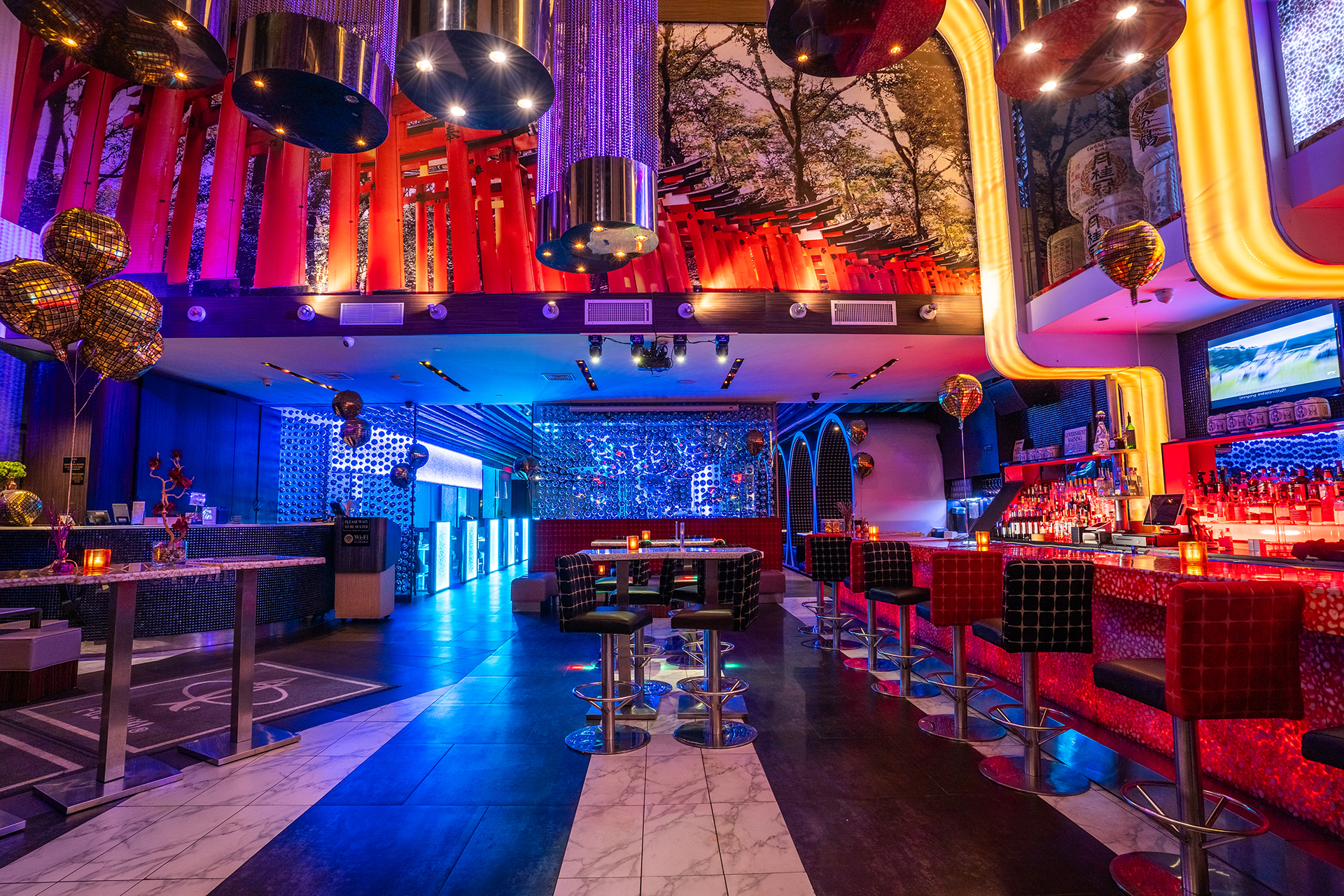
Presentation becomes even more relevant when planning a larger gathering. Fushimi Williamsburg’s private-events page names four spaces: the Grand Room, Bar & Lounge, Momo Room, and Sakura Room. The published capacities for the Grand Room and Bar & Lounge indicate that the restaurant accommodates group-event formats as well as regular dining.
For a private occasion, the menu’s separation of steak and sharing dishes offers a straightforward planning language. Steak can suggest a course with a defined focal role, while sharing dishes can support a more communal rhythm. Together, they provide a way to discuss the table setup and meal flow without reducing the event to a checklist of individual orders.
The most useful question is not whether a dish looks a certain way before it arrives. It is how the choices on the menu will work together once they reach the table. At Fushimi Williamsburg, the combination of a contemporary Japanese-fusion approach and distinct menu categories gives diners a practical starting point: use steak for emphasis, use sharing dishes for connection, and let sushi-bar or kitchen selections create range around them.
For current menu details or event planning, consult the official dining-menu and private-events pages before making decisions, since offerings and availability can change.
Frequently asked questions
Does Fushimi Williamsburg list both steak and sharing dishes on its dining menu?
The official dining menu lists steak and sharing dishes as separate categories, alongside sushi-bar and kitchen entrées, signature rolls, nigiri sushi and sashimi, and other sections.
How does Fushimi Williamsburg describe its culinary approach?
The official site describes Fushimi Williamsburg as contemporary Japanese-fusion, combining traditional Japanese food with French-inspired nouvelle cuisine.
Can Fushimi Williamsburg be considered for a group event?
The official private-events page names the Grand Room, Bar & Lounge, Momo Room, and Sakura Room. Check directly with the restaurant for current event options and availability.
Sources
- No unsupported sourcing or quality superlatives — fushimiwilliamsburg.com
- No stale hours, prices, or availability — fushimiwilliamsburg.com
- Published event-room capacities — fushimiwilliamsburg.com